
Improve Report Card Grades: Smart Strategies Before It’s Too Late
As report card season approaches, many parents and students begin to feel anxious about the results. But here’s the good news—there’s still time to make a significant academic turnaround before the final grades are locked in.
Whether it’s halfway through the semester or just a few weeks before marks are submitted, focused effort and the right strategies can help students improve report card grades and finish the term strong.
This article explores actionable steps to identify academic challenges, build better habits, and get the support needed to boost performance before it’s too late.
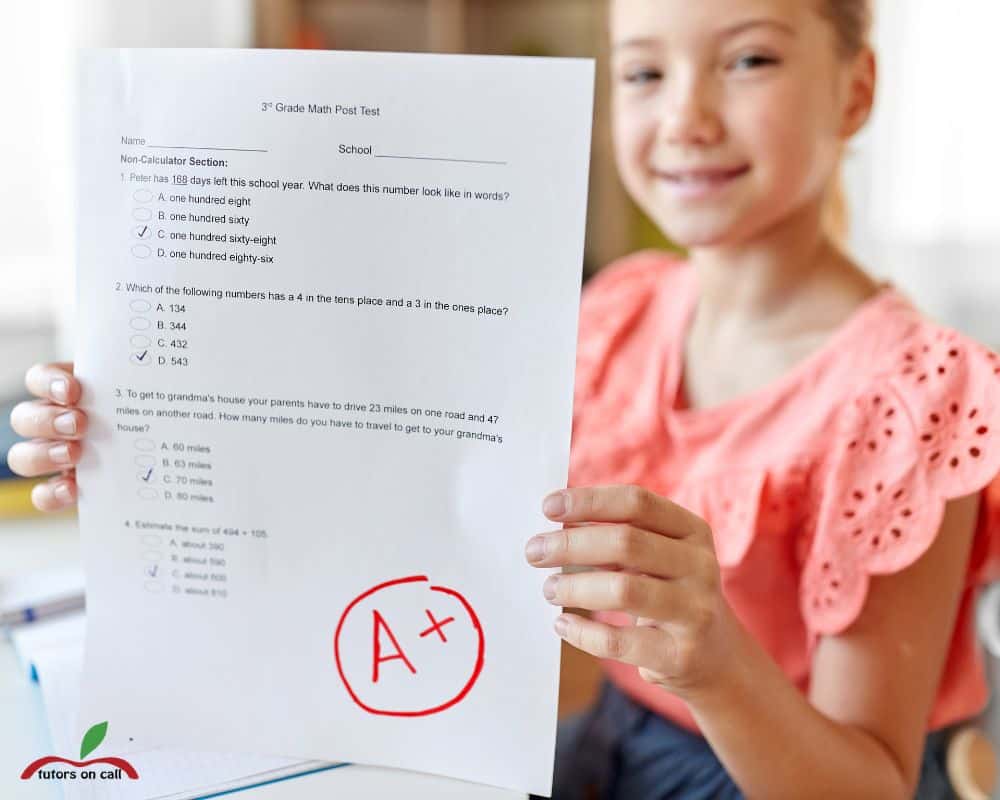
Why Report Cards Matter
Report cards are more than just a summary of grades—they are:
- Indicators of academic strengths and weaknesses
- Reflections on study habits, time management, and work ethic
- A tool for identifying the need for academic support
- Key benchmarks used for course placements, scholarships, and college applications
Early interventions can prevent long-term academic struggles and help students build confidence and skills that last beyond the school year.
1. Start with a Grade Audit
Before jumping into tutoring or extra study sessions, take time to assess the current academic standing.
How to do a grade audit:
- Review the most recent report card and assignment breakdowns
- Identify subjects with the lowest scores
- Pinpoint specific issues, such as poor test performance, incomplete assignments, or weak participation
- Consult teachers for detailed feedback on problem areas
By identifying where the gaps are, you can set realistic goals for improvement and avoid wasting time on areas that don’t need as much attention.
2. Set SMART Goals for Each Subject
Setting goals gives students a clear sense of direction and something to work toward. Use the SMART method:
- Specific: What exactly needs improvement? (e.g., Raise math test scores by 10%)
- Measurable: How will you track progress?
- Achievable: Is the goal realistic for the time left in the term?
- Relevant: Does the goal align with overall academic goals?
- Time-Bound: When should the goal be met? (e.g., Before the next progress report)
Having weekly or biweekly mini-goals makes it easier to stay on track and motivated.
3. Create a Focused Study Plan
Cramming or unstructured studying won’t lead to lasting results. A consistent study routine can dramatically improve report card grades.
Tips to build a strategic study plan:
- Prioritize weak subjects while still reviewing stronger ones
- Break down study sessions into 30–45-minute focused blocks with short breaks
- Incorporate different learning methods (e.g., reading, flashcards, teaching others, online quizzes)
- Use a planner or digital calendar to schedule study time, assignments, and tests
Studying should become a daily habit rather than a last-minute sprint before exams.
4. Improve Assignment and Test Performance
Late or incomplete assignments and low test scores are often major contributors to poor grades. To improve these areas:
For Assignments:
- Stay organized using folders or digital tools to track due dates
- Break tasks into smaller chunks to avoid overwhelm
- Review rubrics or guidelines before submitting
- Proofread and revise with care
For Tests:
- Use old tests or quizzes for review
- Take practice tests under timed conditions
- Ask for clarification from teachers about confusing topics
- Join or form study groups for peer support
Timely and thorough preparation is key.
5. Strengthen Communication with Teachers
Teachers can offer invaluable insight and support—but students often overlook this resource.
Encourage your child to:
- Ask questions during class
- Request feedback on assignments or tests
- Attend office hours for extra help
- Show willingness to improve
Building a positive relationship with teachers can even influence how effort and participation are reflected in final grades.
6. Build Better Study Habits at Home
Home environment and routines play a major role in a student’s ability to focus and perform.
Tips for parents:
- Designate a quiet, clutter-free space for studying
- Limit distractions like phones, social media, or TV during study hours
- Promote healthy routines with regular sleep, meals, and physical activity
- Check in regularly without hovering—ask about upcoming assignments, tests, or stress levels
Your support can make all the difference in creating an academic success mindset.
7. Get Help Before It’s Too Late
Sometimes the root of academic struggle goes beyond effort. Learning gaps, lack of confidence, or difficulty understanding material can require expert help.
Consider tutoring when:
- Your child is falling behind in core subjects like math or science
- Study sessions at home aren’t improving results
- Your child is frustrated, unmotivated, or anxious about school
- You want to ensure long-term understanding, not just short-term fixes
Tutoring offers personalized attention, accountability, and tools that can quickly improve report card grades.
8. Use Technology Wisely
There’s a wide range of educational technology tools available to help students reinforce learning in interactive ways.
Top digital resources to explore:
- Khan Academy for subject-specific video tutorials
- Quizlet for flashcards and test prep
- Google Calendar or Notion for organizing tasks and deadlines
- Grammarly or Hemingway Editor for improving writing
When used correctly, these tools can boost both efficiency and engagement.
9. Manage Stress and Stay Positive
Worrying about grades can cause anxiety and discourage students. However, creating a positive mindset is essential for academic growth.
Tips to reduce academic stress:
- Acknowledge progress, no matter how small
- Celebrate achievements, like completed projects or improved quiz scores
- Practice mindfulness or breathing exercises before exams
- Remind your child that improvement is a journey—not a single report card
Confidence builds when students see their efforts paying off.
10. Plan Ahead for Long-Term Success
While short-term improvements can make a difference before report cards are finalized, long-term strategies are essential to avoid future struggles.
After the term ends:
- Review what strategies worked—and what didn’t
- Set academic goals for the next semester
- Continue tutoring support if needed
- Build a consistent study routine that lasts beyond exams
Report cards are milestones, not finish lines. The habits built now will support success for years to come.
Final Thoughts: There’s Still Time to Make a Difference
Don’t wait until grades are finalized to take action. With a proactive approach, a positive attitude, and the right academic support, students can improve report card grades and finish the term with confidence.
Whether through self-study, parent-led support, or professional tutoring services like Tutors on Call, students across Canada can get the personalized guidance they need to succeed.
Need help fast? Contact Tutors on Call today to connect with a tutor who can help your child catch up and move ahead—before it’s too late.